Journey overview
This route arrives in Seoul and departs from Tokyo, avoiding backtracking with an open-jaw flight arrangement. It uses the KTX high-speed train in South Korea, a short flight from Busan to the Kansai region, and the Shinkansen in Japan. Spring and autumn are ideal in both countries.
Day-by-day outline
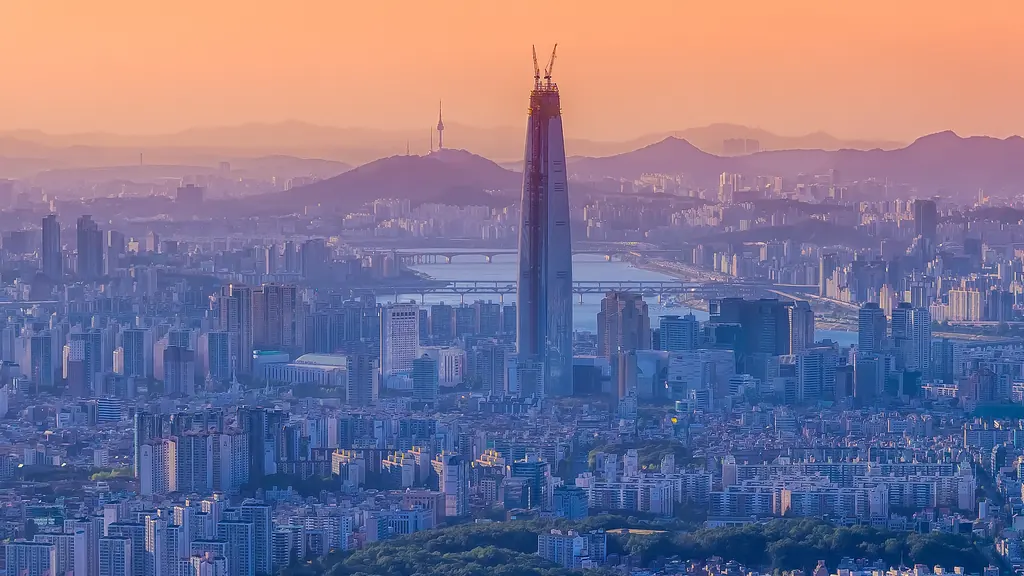
Day 1: Arrive in Seoul
Private transfer to your hotel. A short evening walk along the Cheonggyecheon stream.
Day 2: Palaces and hanok
Gyeongbokgung Palace and the National Folk Museum, then the hanok houses of Bukchon and the galleries and tea houses of Samcheong-dong and Insadong.
Day 3: Seoul's markets and modern side
A guided morning at Changdeokgung and its Secret Garden, lunch at Gwangjang Market, and an afternoon at Dongdaemun Design Plaza or the Leeum Museum of Art.
Day 4: Your Seoul
A guided DMZ visit (subject to availability and closures), a hike on Bukhansan, or a Korean cooking class.
Day 5: To Gyeongju
KTX to Gyeongju. An afternoon among the royal tombs of Daereungwon, and the illuminated Donggung Palace and Wolji Pond at dusk.
Day 6: Silla heritage
Bulguksa Temple and the Seokguram Grotto, both UNESCO World Heritage Sites, and the Gyeongju National Museum. An optional temple stay can replace a hotel night.
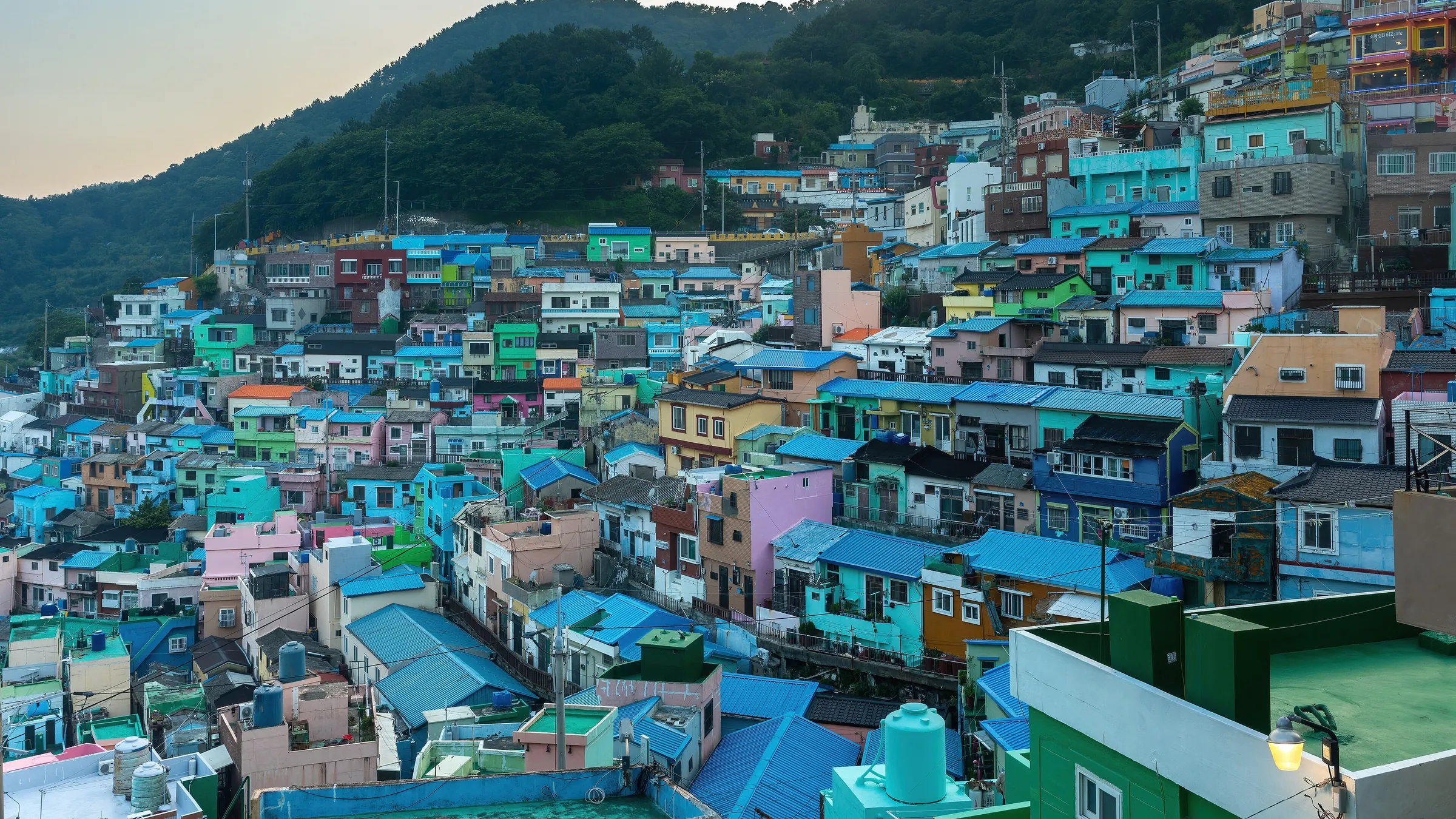
Day 7: To Busan
A short transfer to Busan. Visit Gamcheon Culture Village and the seaside temple of Haedong Yonggungsa.
Day 8: Busan by the sea
Jagalchi Fish Market, a coastal walk at Igidae or Taejongdae, and an evening by Gwangalli Beach.
Day 9: Fly to Japan
A short flight from Busan to Osaka's Kansai International Airport, then a transfer to Kyoto.
Days 10 to 12: Kyoto
Three full days in Kyoto, with early starts at Fushimi Inari, Kiyomizu-dera and Arashiyama, a tea ceremony, Gion in the evening, and a day trip to Nara.
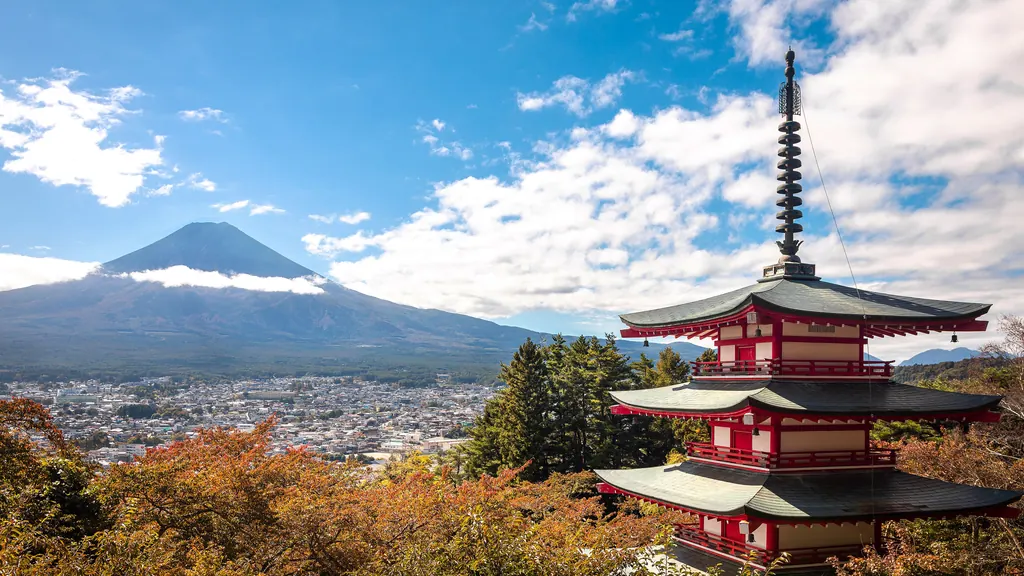
Day 13: Hakone
Shinkansen to Odawara and on to Hakone, with luggage forwarded to Tokyo. The Open-Air Museum, Lake Ashi and an overnight ryokan stay.
Days 14 to 17: Tokyo
Four nights in Tokyo for its neighborhoods, food, gardens and museums, with a guided day, a food walk and plenty of free time. Optional day trip to Nikko or Kamakura.
Day 18: Depart
Transfer to Haneda or Narita for your flight home.
Highlights
- Seoul's palaces and the Secret Garden
- Gwangjang Market and Korean food culture
- Bulguksa Temple and Seokguram Grotto in Gyeongju
- Busan's coast, markets and hillside village
- Three full days in Kyoto
- A ryokan night in Hakone, and Tokyo to finish
Who this journey suits
This journey suits travelers interested in history, food and contemporary culture, and those who enjoy comparing neighboring countries. It works for first-time visitors to East Asia who have the time, and for travelers who have seen Japan before and want to add South Korea.
Practical considerations
- Season. April to May and October to November are best. Summer brings monsoon rains and heat to both countries; winter is cold but clear.
- Open-jaw flights. Flying into Seoul and out of Tokyo saves a day of backtracking.
- Luggage. Forwarding luggage in Japan and keeping bags manageable for KTX trains make transfers easy.
- Entry rules. Check both countries’ rules before travel. South Korea’s K-ETA exemption for US citizens currently runs through December 31, 2026, and Japan aims to introduce its own electronic travel authorization (JESTA) in fiscal year 2028, with no start date yet announced.
- Holidays. Avoid Chuseok, Seollal and Japan's Golden Week if you prefer quieter travel.
Entry requirements, flight schedules and DMZ tour availability change. All details are confirmed when we plan your journey.
Ways to customize it
- Add Jeju Island for two or three nights of coastal walks and volcanic scenery.
- Add Hiroshima and Miyajima between Kyoto and Hakone.
- Reverse the route to start in Japan, depending on flights and season.
- Read how to plan a first trip to South Korea and see our 14-day Japan journey.