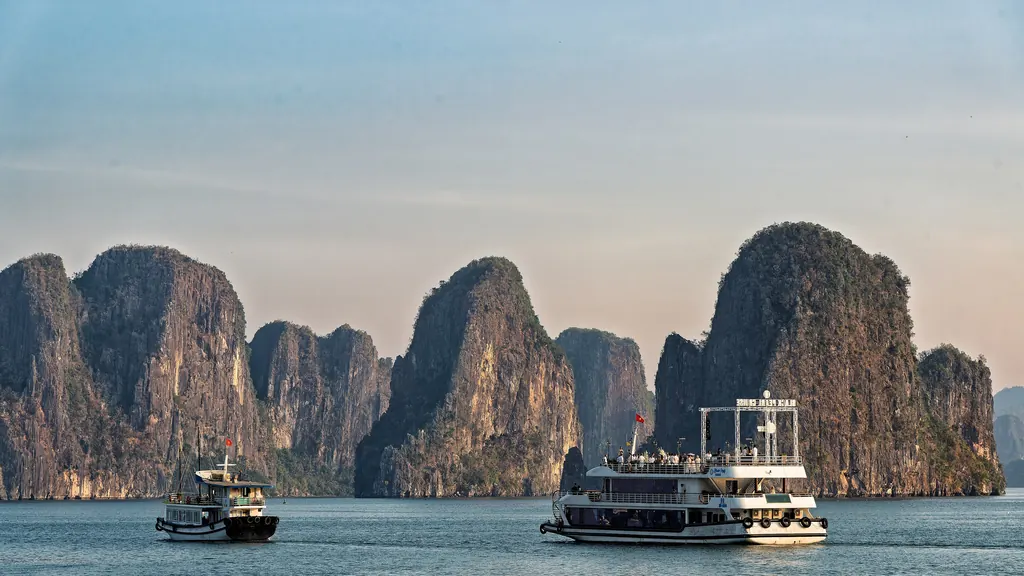
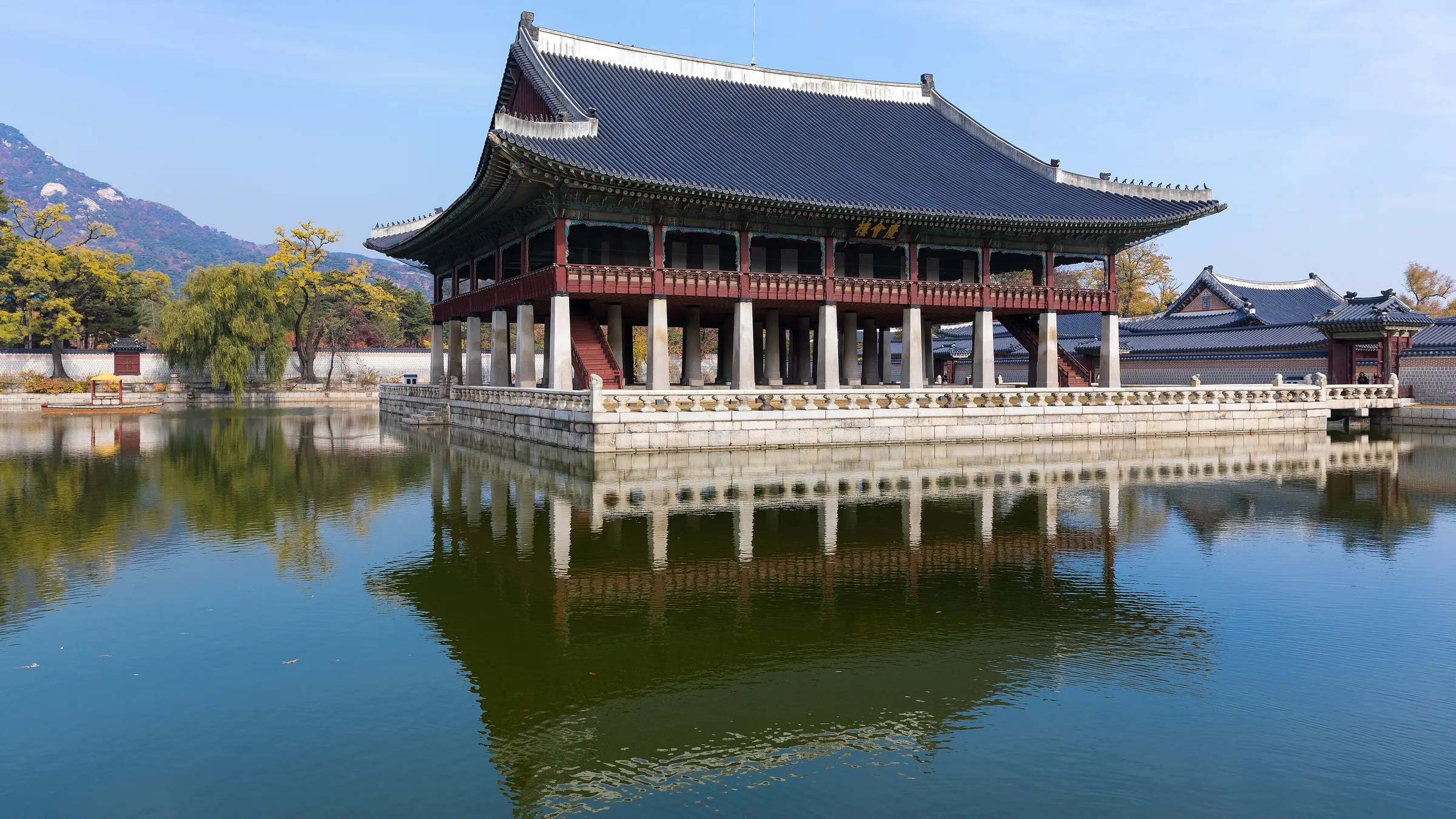
South Korea has become one of Asia's most talked-about destinations, and a first visit often surprises travelers with its variety. Seoul combines royal palaces, traditional hanok neighborhoods and cutting-edge design. Gyeongju preserves the legacy of the Silla kingdom. Busan offers a seaside city of markets and hillside villages, and Jeju Island is a volcanic landscape of coastal trails and craters. Distances are short, and the KTX high-speed rail network makes multi-city trips easy.
Why visit South Korea
- Food. Korean barbecue, bibimbap, temple cuisine, market stalls and fine dining that reinterprets tradition.
- History. The Joseon-dynasty palaces of Seoul, Silla-era treasures in Gyeongju and Buddhist temples in the mountains.
- Contemporary culture. Design, fashion, film, music and a dynamic art scene.
- Nature. Mountain national parks, coastal trails and Jeju's UNESCO-listed volcanic landscapes.
- Efficiency. High-speed trains, excellent public transport and a strong reputation for safety.
Regions and places to explore
Seoul
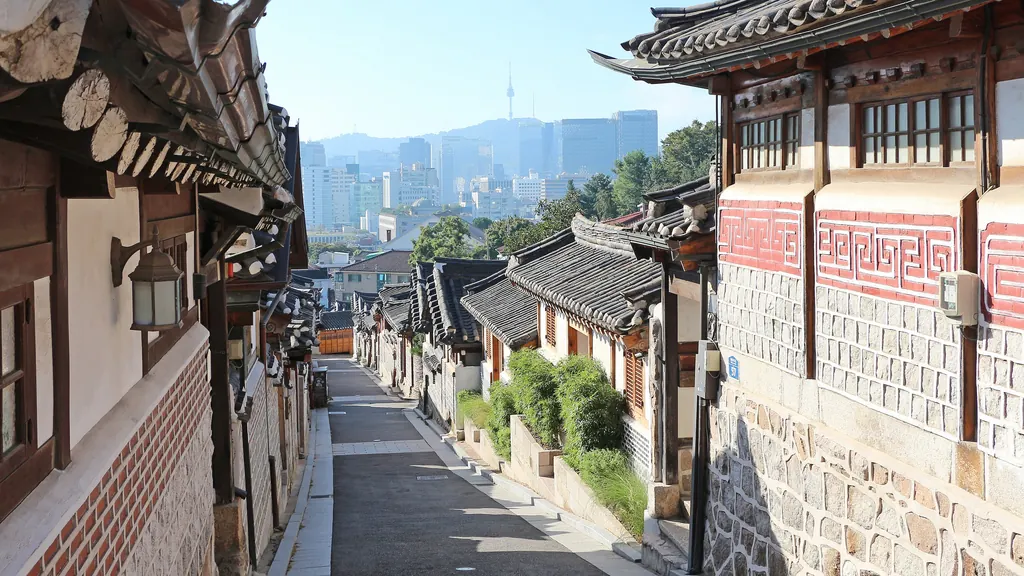
A city of more than nine million people with five Joseon-dynasty palaces, the hanok houses of Bukchon, markets such as Gwangjang, design landmarks like Dongdaemun Design Plaza, and hiking trails on its surrounding mountains.
Busan
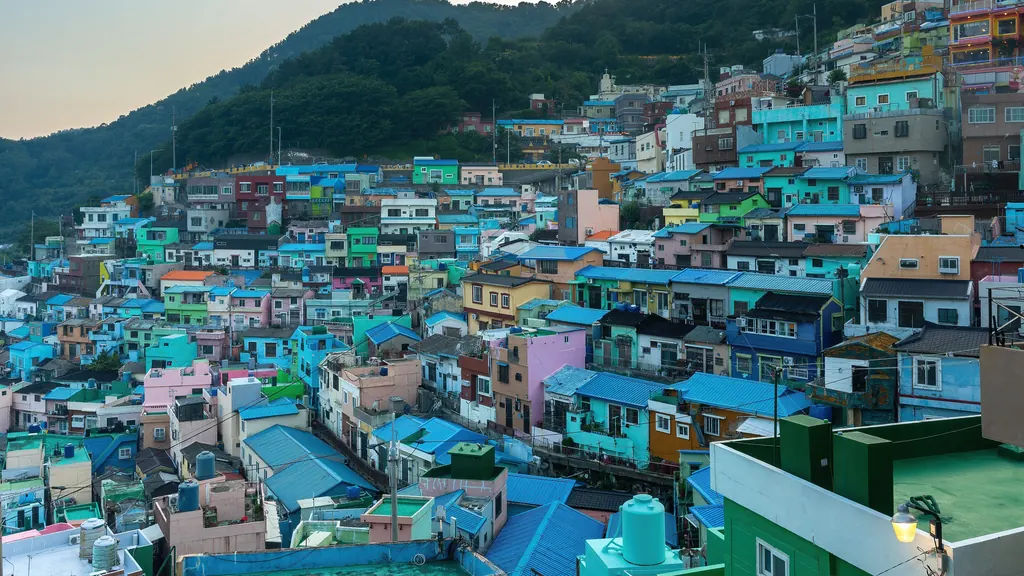
South Korea's second city and largest port, with beaches at Haeundae and Gwangalli, the Jagalchi fish market, the colorful Gamcheon Culture Village and the seaside Haedong Yonggungsa temple.
Gyeongju
The capital of the Silla kingdom for nearly a thousand years, sometimes called a "museum without walls." Bulguksa Temple and Seokguram Grotto are UNESCO World Heritage Sites, alongside royal tombs and historic districts.
Jeju Island
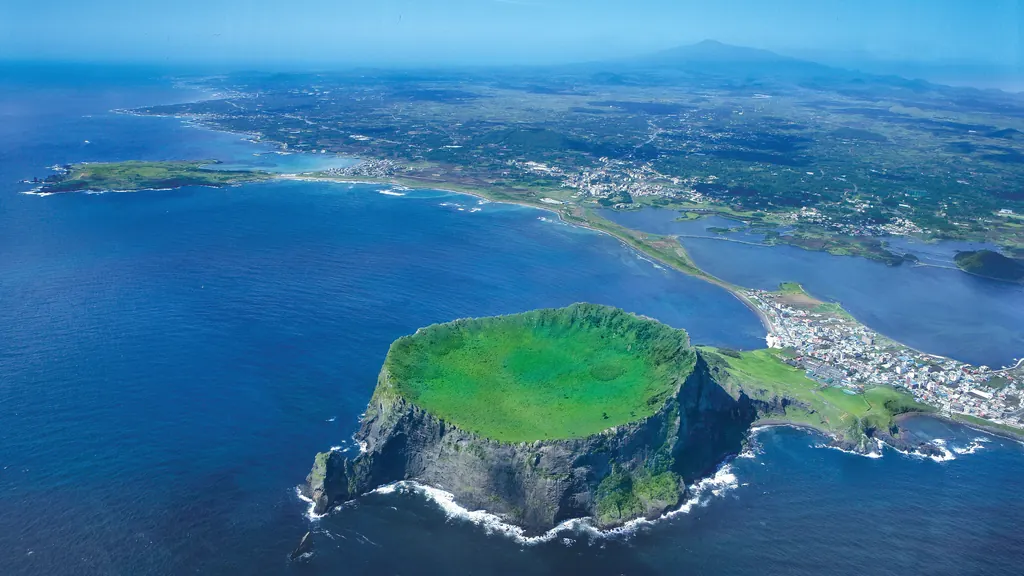
A volcanic island off the south coast, with Hallasan, South Korea's highest mountain, lava tubes, the crater of Seongsan Ilchulbong and the Jeju Olle coastal walking trails.
Andong and Hahoe
A traditional village, Confucian academies and mask-dance heritage, showing a quieter side of Korean culture.
Seoraksan National Park
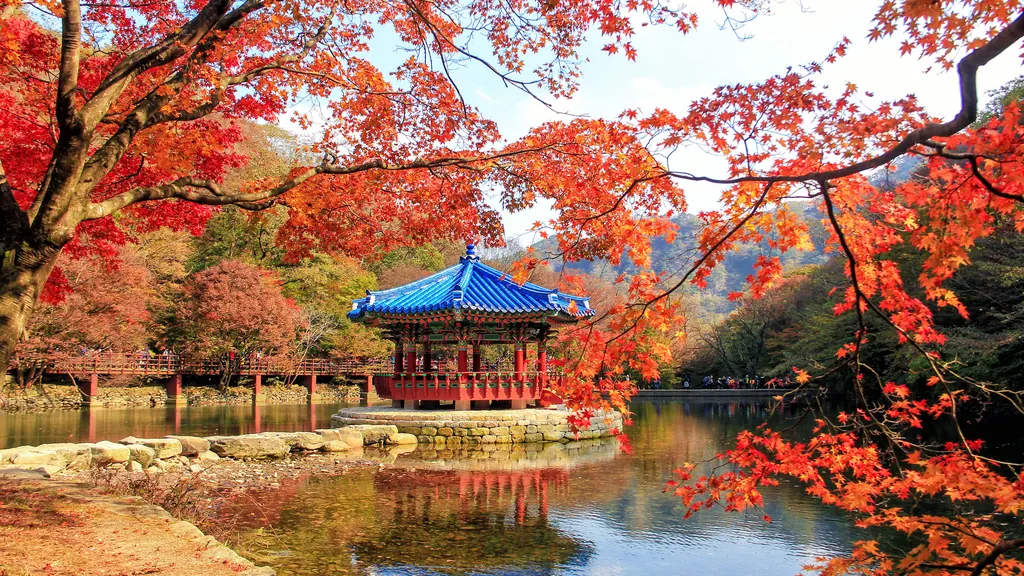
Granite peaks and temples in the northeast, particularly beautiful during autumn foliage.
Korean cultural and culinary experiences
Temple stays at Buddhist monasteries, tea culture in Boseong, makgeolli and traditional liquor tastings, and market tours in Seoul and Busan.
Experiences to consider
A palace morning in Seoul
Gyeongbokgung and Changdeokgung, including the Secret Garden, which is visited by guided tour.
Market and food tours
Gwangjang Market in Seoul and Jagalchi in Busan, ideally with a guide to explain what you are tasting.
A temple stay
An overnight program at a Buddhist temple, with meditation, temple meals and early-morning ceremonies.
Gyeongju by bicycle
Royal tombs, historic sites and lotus ponds connected by flat, easy routes.
Jeju's coast
Sections of the Olle trails, sunrise at Seongsan Ilchulbong and the island's haenyeo diving heritage.
The DMZ, with context
A guided visit to the Demilitarized Zone, booked through authorized tours and subject to closure at short notice.
When to go
South Korea has four distinct seasons. Spring and autumn are the most comfortable and the most popular. Our detailed article on the best time to visit South Korea covers each month.
| Season | Months | What to expect |
|---|---|---|
| Spring | April to early June | Cherry blossoms usually in early April, mild temperatures and fresh green landscapes. |
| Summer | Late June to August | Monsoon rains (jangma) typically from late June into July, then hot and humid weather. |
| Autumn | September to November | Clear skies and autumn foliage, generally peaking in October and early November. Often considered the best season. |
| Winter | December to February | Cold and dry, with snow in the mountains and ski resorts. Fewer visitors and crisp, clear days. |
Major holidays, Seollal (Lunar New Year) and Chuseok (the autumn harvest festival), see heavy domestic travel and some closures.
How long to stay
For a first visit, 9 to 12 days covers Seoul, Gyeongju and Busan, with Jeju if you have the time. With a week, choose Seoul plus either Busan or Gyeongju. Our guide on how to plan a first trip to South Korea sets out how to split your time.
A sample journey
Our 18-day Japan and South Korea journey spends a week in South Korea, from Seoul to Gyeongju and Busan, before continuing to Japan. A Korea-only version adds Jeju or a temple stay.
Practical considerations
- Entry requirements. US passport holders can generally visit visa-free for short tourist stays. Under a temporary exemption announced by Korea’s Ministry of Justice, they do not need a K-ETA (Korea Electronic Travel Authorization) for travel through December 31, 2026 (see the Korean Embassy notice). At the time of writing, no extension into 2027 had been announced. Travelers without a K-ETA submit an arrival card. Check the official K-ETA website before you travel.
- Getting around. KTX high-speed trains link Seoul with Gyeongju and Busan. Jeju is reached by a short domestic flight.
- Navigation. Local map apps such as Naver Map and KakaoMap are generally more detailed for walking and transit directions than international alternatives.
- Payments and transport cards. Cards are widely accepted. A rechargeable transport card is convenient for subways and buses.
- Etiquette. Remove shoes in homes and some traditional restaurants. Tipping is not customary.
K-ETA requirements and exemption periods change. Confirm current entry rules on the official K-ETA site and with the US Department of State before travel.
Who South Korea suits
South Korea suits food lovers, travelers interested in contemporary culture and design, history enthusiasts, hikers, and anyone who enjoyed Japan and wants a contrasting experience. It is also an excellent choice for travelers who prefer shorter internal journeys.
Pairing South Korea with other destinations
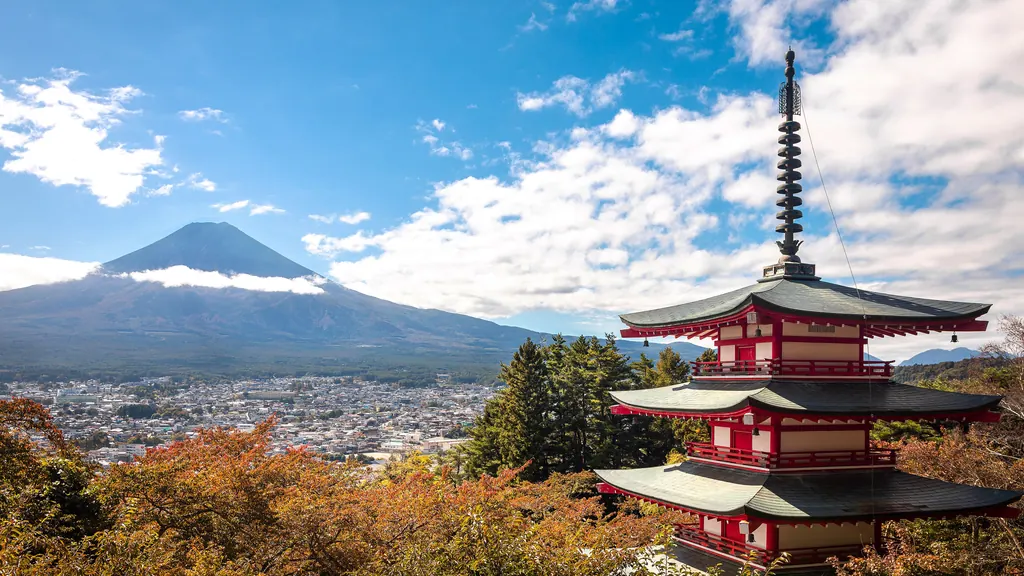
Japan is the natural partner, with short flights between Seoul or Busan and Tokyo, Osaka or Fukuoka. South Korea also pairs with Vietnam for a combination of East and Southeast Asia.
Sources and further reading
Guide last reviewed November 5, 2026. General destination information only; conditions, entry rules and schedules change, so we confirm current details when planning your trip.