New Zealand rewards travelers who slow down. Distances look short on a map, but roads wind through mountains and along coastlines, and the most memorable moments often come from stopping: a lakeside walk outside Wanaka, an extra night in Fiordland when the weather clears, a long lunch in a vineyard. The best itineraries balance a few key bases with time to explore around them.
Why visit New Zealand
- Landscapes of real variety. Subtropical coast in Northland, geothermal valleys around Rotorua, the volcanic Central Plateau, the Southern Alps, glaciers on the West Coast and the fjords of Fiordland.
- Exceptional walking. From short scenic trails to multi-day Great Walks managed by the Department of Conservation, New Zealand is one of the world's great walking destinations.
- Lodges and wine. Small luxury lodges in dramatic settings, and wine regions including Marlborough, Hawke's Bay, Central Otago and Waiheke Island.
- Māori culture. Māori culture is woven into national life. Places such as Rotorua and the Waitangi Treaty Grounds in the Bay of Islands offer meaningful ways to learn about it.
- Ease of travel. English is spoken everywhere, infrastructure is good, and it is generally considered a straightforward country for independent travel.
Regions and places to explore
Auckland
New Zealand's largest city and main international gateway, set between two harbors. Worth a night or two for the waterfront, volcanic cones with city views, and an easy ferry to Waiheke Island's vineyards and beaches.
Bay of Islands
A subtropical coastline north of Auckland with more than 140 islands. Sailing, dolphin-watching cruises and the Waitangi Treaty Grounds, where the founding Treaty of Waitangi was first signed in 1840.
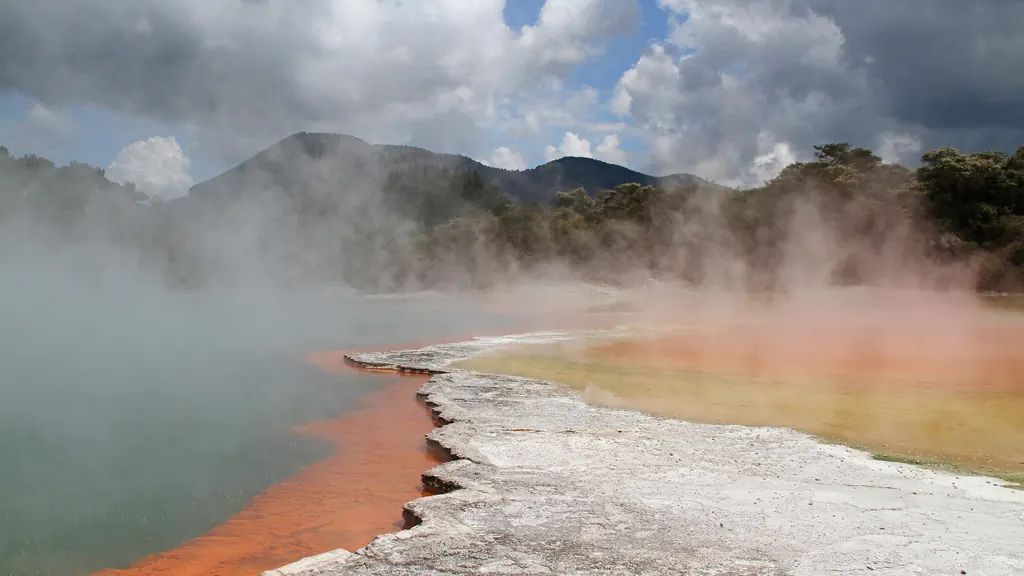
Rotorua
The center of geothermal activity, with geysers, bubbling mud pools and hot springs, and one of the best places to learn about Māori culture and traditions. Nearby Taupō and Tongariro National Park add lakes and volcanic scenery.
Wellington
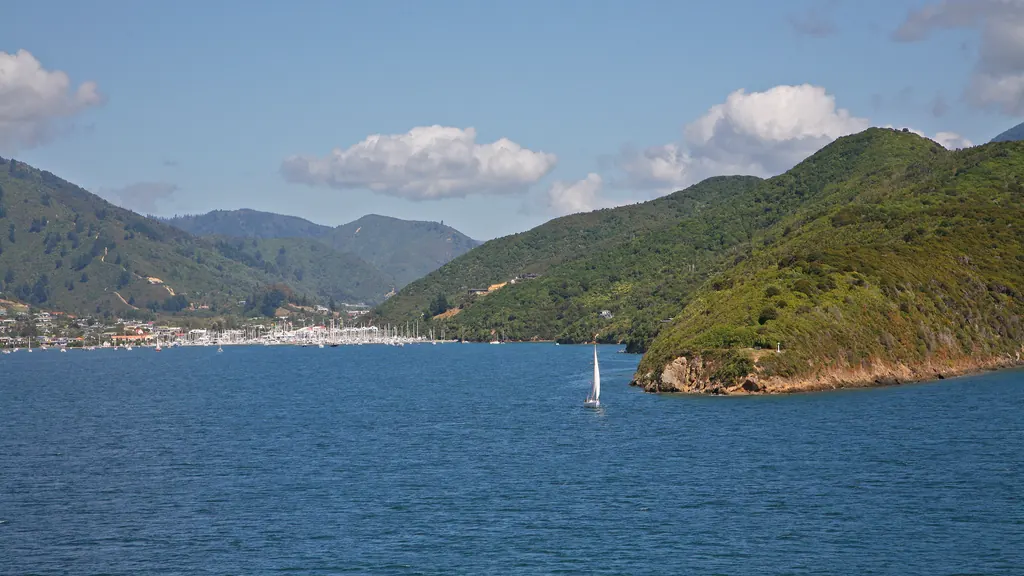
The compact capital at the southern tip of the North Island, known for its food and coffee culture, and for Te Papa, the national museum. The ferry to Picton crosses Cook Strait to the South Island.
Christchurch and Canterbury
The South Island's largest city and a common arrival point. From here, routes lead to Akaroa on the Banks Peninsula, whale watching at Kaikōura, and inland to Lake Tekapo and Aoraki/Mount Cook.
Queenstown
Set on Lake Wakatipu beneath the Remarkables, Queenstown is the South Island's busiest base for lake cruises, wineries in the Gibbston Valley, adventure activities and day trips to Glenorchy and Arrowtown.
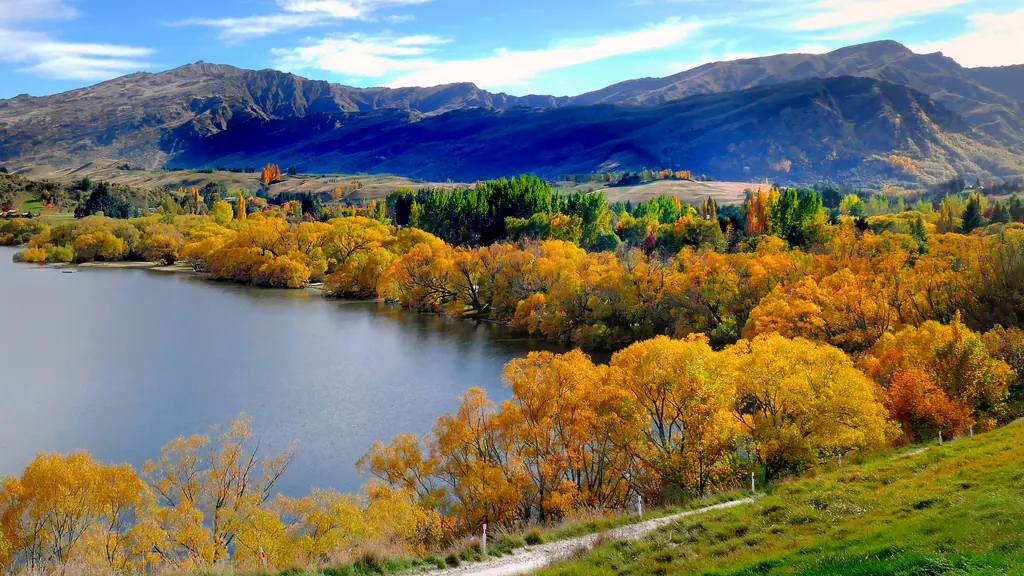
Wanaka
A quieter lakeside town reached over the Crown Range from Queenstown, popular with travelers who prefer walking, lakeside days and a slower pace.
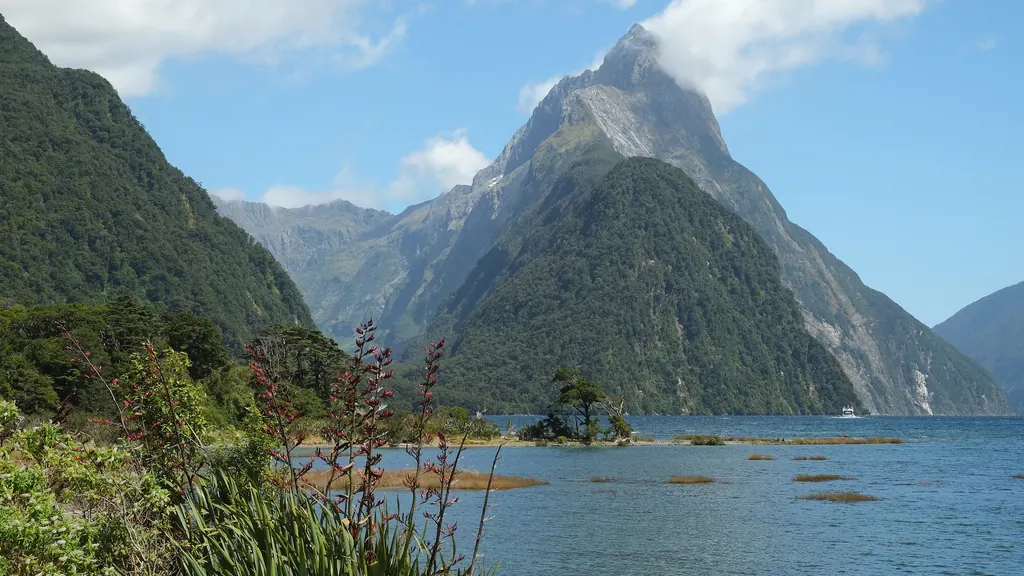
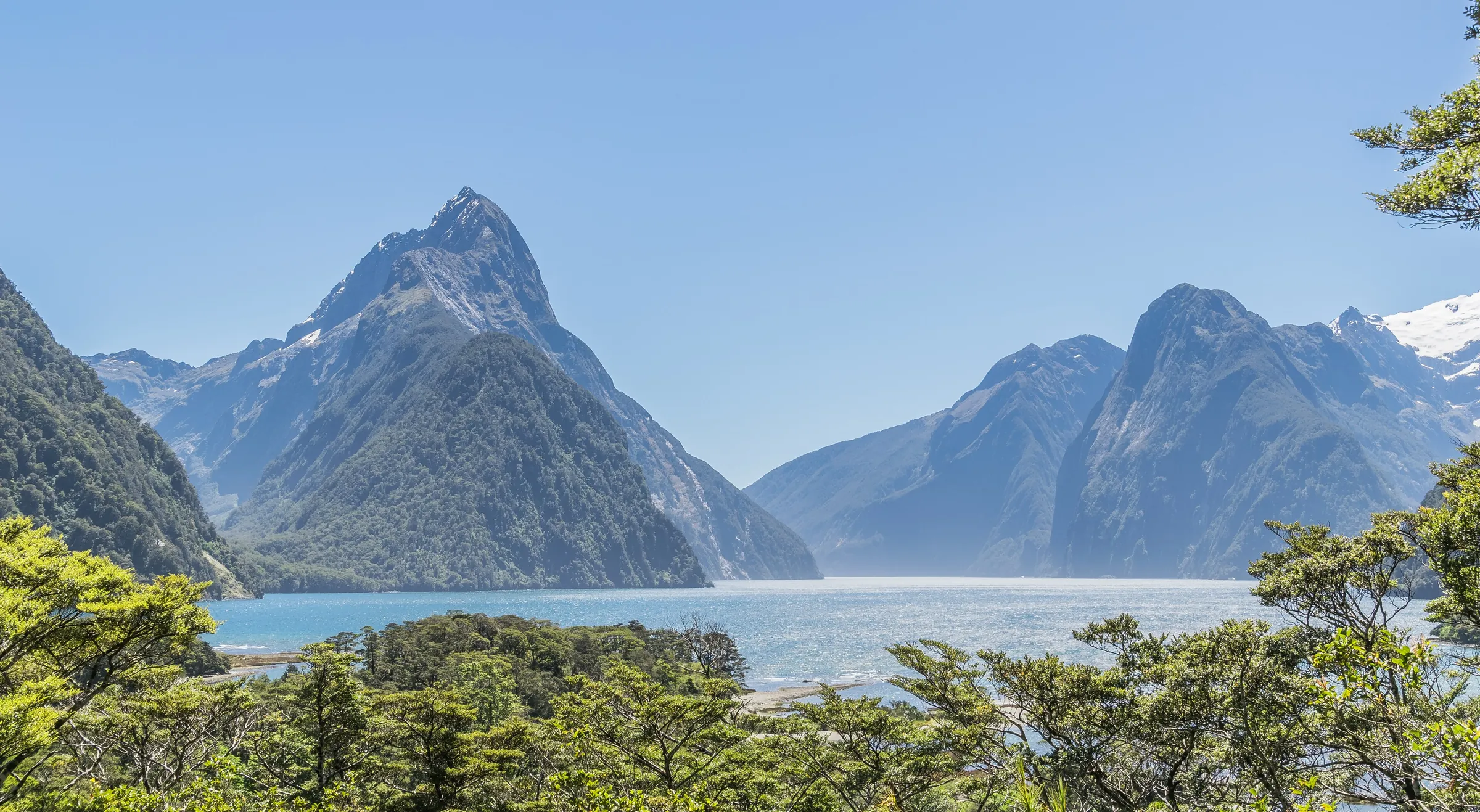
Fiordland and Milford Sound
A vast national park of fjords, rainforest and waterfalls. Milford Sound is the best known, reached by road from Te Anau, by scenic flight, or on foot via the Milford Track. Doubtful Sound is larger and more remote.
West Coast and the glaciers
A wild, rainforest-fringed coast with the Franz Josef and Fox glaciers, best seen on guided heli-hikes or scenic flights, weather permitting.
Experiences to consider
A Fiordland cruise or flight
A cruise on Milford or Doubtful Sound, or a scenic flight over the Southern Alps. Rain transforms the fjords into hundreds of waterfalls, so wet days are not wasted days.
A Great Walk or a day hike
Multi-day Great Walks such as the Milford, Routeburn and Kepler tracks need advance booking in season. The Tongariro Alpine Crossing is a celebrated full-day hike.
Cellar doors and long lunches
Central Otago pinot noir near Queenstown, sauvignon blanc in Marlborough, and island vineyards on Waiheke.
Māori cultural experiences
Guided visits in Rotorua and at the Waitangi Treaty Grounds provide context for New Zealand's history and living culture.
Dark sky stargazing
The Aoraki Mackenzie region around Lake Tekapo is an International Dark Sky Reserve, with guided stargazing on clear nights.
Wildlife encounters
Whale watching at Kaikōura, albatross and penguins on the Otago Peninsula near Dunedin, and dolphins in the Bay of Islands.
When to go
New Zealand's seasons are the reverse of North America's. The country stretches across a wide range of latitudes, so the north is milder than the south, and weather everywhere can change quickly. Our detailed guide to the best time to visit New Zealand covers each season.
| Season | Months | What to expect |
|---|---|---|
| Summer | December to February | Long days and the warmest weather. Peak season, especially over the Christmas and January school holidays, so book well ahead. |
| Autumn | March to May | Often settled weather, fewer crowds and autumn color around Central Otago. March and April are favorites for touring. |
| Winter | June to August | Ski season in Queenstown and Wanaka. Crisp, clear days are common, but some alpine roads and walks are affected by snow. |
| Spring | September to November | Lambs, blossom and waterfalls swollen with snowmelt. Weather is changeable, and prices are often lower before summer. |
How long to stay
For a first visit covering both islands, 12 to 16 days on the ground is a comfortable range. With around two weeks, a typical plan spends a few days in the North Island (Auckland and Rotorua, perhaps the Bay of Islands) and the majority in the South Island, where the greatest concentration of alpine scenery lies. With 10 days or fewer, we usually suggest focusing on one island rather than rushing both. Our guide to North Island vs South Island explains the trade-offs.
A sample journey
Our 12-day New Zealand journey moves from Auckland to Rotorua, then flies south to Queenstown with time in Fiordland. It is designed to minimize long drives while still including the country's most dramatic scenery. Travelers with more time often add Wanaka, Aoraki/Mount Cook or the Bay of Islands.
Practical considerations
- Flights from the US. Nonstop flights operate from several US gateways, generally overnight. You cross the International Date Line, so you arrive a calendar day later than you might expect. Schedules change seasonally.
- Entry requirements. US passport holders are on New Zealand’s visa waiver list, so most visit without a visa but must request a New Zealand Electronic Travel Authority (NZeTA) before traveling. Most NZeTA requests also carry the International Visitor Conservation and Tourism Levy (IVL), currently NZD $100 and paid at the same time; some travelers are exempt. Confirm the details on Immigration New Zealand’s levy page.
- Biosecurity. New Zealand has strict biosecurity rules. Food, plant material and outdoor equipment such as hiking boots must be declared on arrival.
- Driving. New Zealanders drive on the left. Roads are often narrow and winding, so allow more time than distances suggest. Many travelers mix self-drive with domestic flights or private drivers.
- Weather. Pack layers in every season, especially for the South Island and Fiordland, where rain is frequent.
- Time difference. New Zealand is usually 16 to 21 hours ahead of the continental US, depending on the time of year.
Entry requirements, levies, flight routes and seasonal road conditions change. Confirm current details with Immigration New Zealand, the New Zealand Transport Agency and your airline before travel. We check these for every itinerary we plan.
Who New Zealand suits
New Zealand particularly suits travelers who love landscapes and the outdoors, couples looking for lodges and wine, families with older children who enjoy activity, and anyone who prefers a destination that is easy to navigate. It is less suited to travelers who want guaranteed warm, settled weather throughout, or who prefer to stay in one place: most itineraries involve moving between several bases.
Pairing New Zealand with other destinations
Australia is the obvious pairing, with frequent short flights across the Tasman Sea; allow three weeks or more to enjoy both. Some travelers break the long journey from the US with a few days in Japan or elsewhere in Asia, which works especially well in spring or autumn.
Sources and further reading
- Tourism New Zealand: official visitor information
- Immigration New Zealand: NZeTA and visitor entry
- Department of Conservation: Great Walks and national parks
- Ministry for Primary Industries: biosecurity rules for travelers
- NZ Transport Agency Waka Kotahi: driving in New Zealand
- US Department of State: New Zealand travel information
Guide last reviewed November 5, 2026. General destination information only; conditions, entry rules and schedules change, so we confirm current details when planning your trip.