
Vietnam combines dramatic landscapes, deep history and a food culture that many travelers come for on its own. The country is long and narrow, so most itineraries connect Hanoi in the north, the central coast around Hue and Hoi An, and Ho Chi Minh City in the south, using short domestic flights. Choosing when to go is the most important early decision, because the north, center and south have different weather patterns.
Why visit Vietnam
- Food. Pho in Hanoi, banh mi and cao lau in Hoi An, imperial-style dishes in Hue and the abundant cooking of the Mekong Delta.
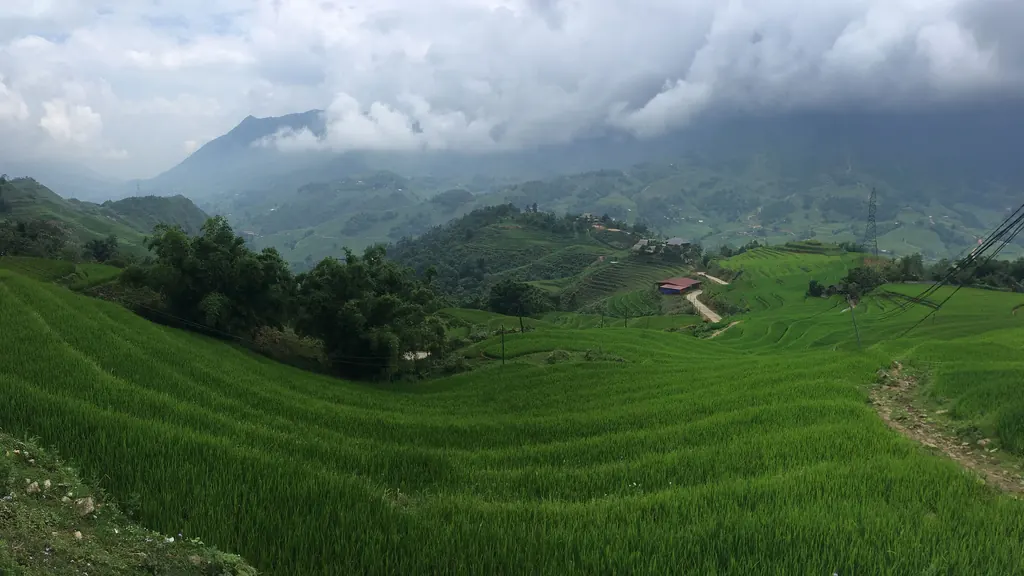
- Landscapes. The limestone islands of Ha Long Bay and Lan Ha Bay, the karst scenery of Ninh Binh, and the rice terraces of the far north.
- History. Imperial Hue, the trading port of Hoi An, French colonial architecture and the recent history of the 20th century.
- Coast. Beaches and resorts around Da Nang, Hoi An and further south.
- Value. Excellent hotels and guiding often represent strong value compared with many destinations.
Regions and places to explore
Hanoi
The capital, with its Old Quarter of narrow streets, lakes, temples and French-era boulevards. Street food and coffee culture are central to the city's character.
Ha Long Bay and Lan Ha Bay
Thousands of limestone islands rising from the Gulf of Tonkin, a UNESCO World Heritage Site. An overnight cruise is the classic way to experience it; Lan Ha Bay is often quieter.
Ninh Binh
Sometimes described as "Ha Long Bay on land," with karst peaks, rice fields and river caves. The Trang An Landscape Complex is UNESCO-listed and best explored by small rowing boat.
Hue
The former imperial capital on the Perfume River, with its citadel, royal tombs and distinctive cuisine.
Hoi An
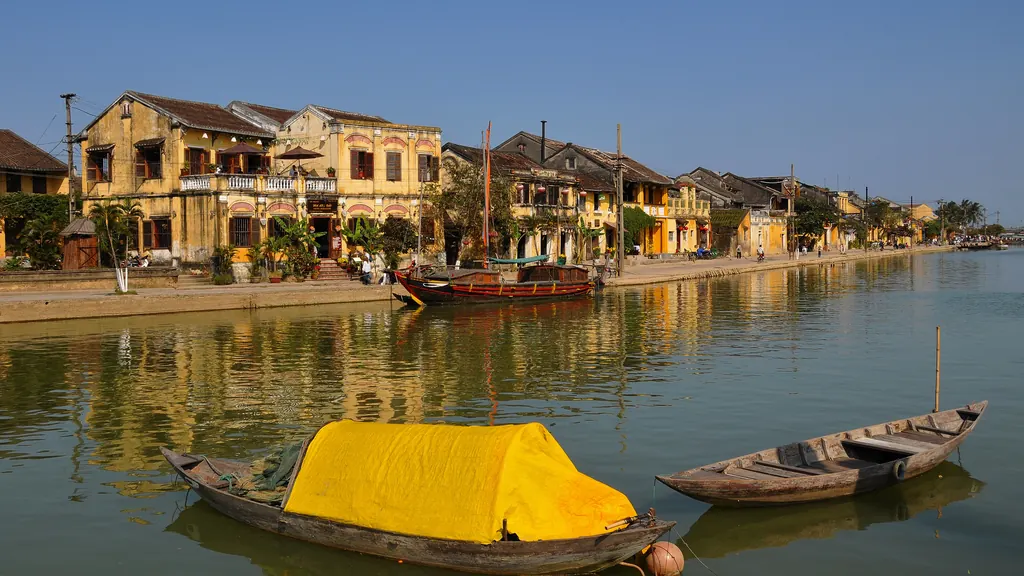
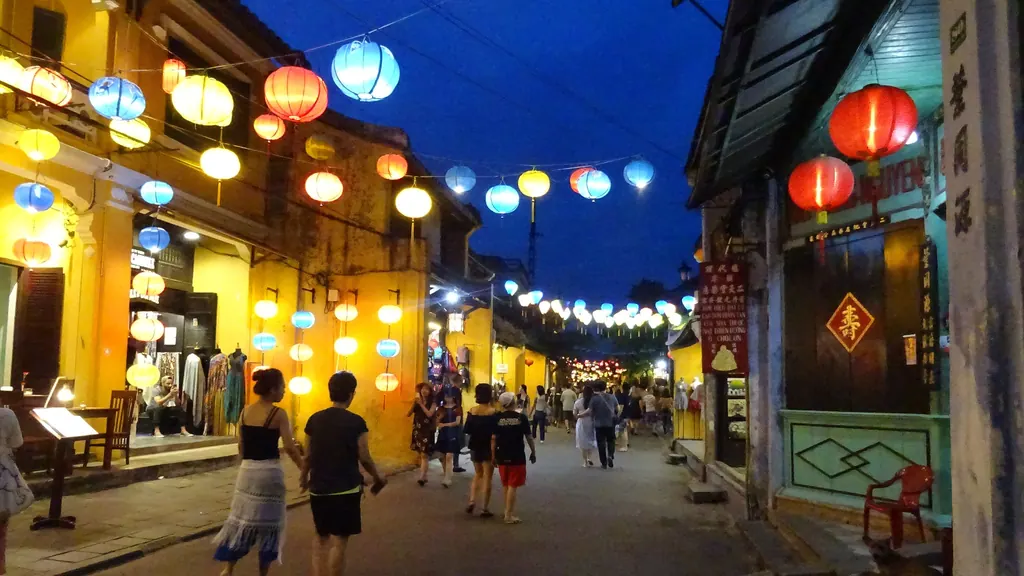
A well-preserved former trading port and UNESCO World Heritage Site, known for lantern-lit streets, tailors, riverside cafes and nearby beaches and countryside.
Da Nang
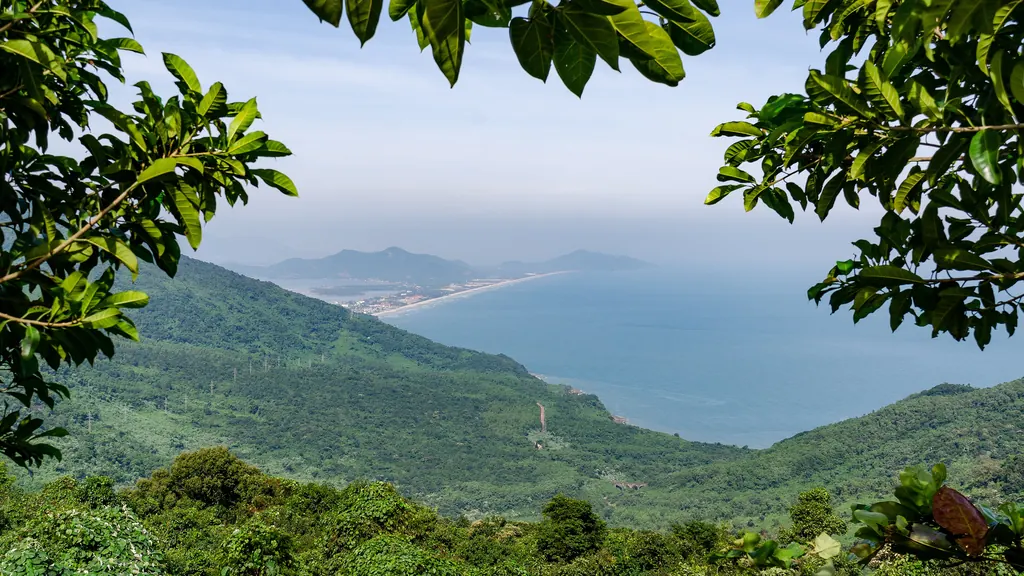
A modern coastal city with long beaches, a gateway airport for central Vietnam, and the scenic Hai Van Pass toward Hue.
Ho Chi Minh City
Vietnam's largest and most energetic city, still widely called Saigon, with museums, markets, a thriving food scene and nearby Cu Chi Tunnels.
The Mekong Delta
A world of rivers, canals, orchards and floating markets southwest of Ho Chi Minh City. An overnight stay or river cruise allows a slower look.
Experiences to consider
An overnight bay cruise
A night on Ha Long or Lan Ha Bay, kayaking among limestone islands and waking to quiet water.
Street food with a guide
Evening food walks in Hanoi or Ho Chi Minh City, which take the guesswork out of where and what to eat.
Rowing through Trang An
Small boats rowed through caves and karst landscapes in Ninh Binh.
The Hai Van Pass
A scenic coastal drive between Hue and Hoi An, ideally with stops on the way.
Hoi An by bicycle
Rice paddies, vegetable villages and riverside lanes just outside the old town.
The Mekong by boat
Canal journeys, family-run workshops and orchards, best experienced with an overnight stay.
When to go
There is no single best month for all of Vietnam. Broadly, the south is warm year-round with a dry season from about December to April; the north has a cool winter and a hot, humid, wetter summer; and the central coast is often driest from about February to August, with its main rainy season and typhoon risk from roughly September to December. Our guide to the best time to visit Vietnam covers this in detail.
| Months | North (Hanoi, Ha Long) | Central (Hue, Hoi An) | South (Ho Chi Minh City, Mekong) |
|---|---|---|---|
| December to February | Cool, often gray; cold in the mountains | Rain eases from January | Dry and warm, peak season |
| March to April | Warming, pleasant | Dry and warm | Hot and dry |
| May to August | Hot and humid with heavy showers | Hot, mostly dry, good beach weather | Rainy season, usually short afternoon downpours |
| September to November | Pleasant, often the north's best months | Rainy season; flooding and typhoon risk | Rainy season eases by late November |
Lunar New Year (Tet), usually in late January or February, is the most important holiday. It is a wonderful time to see traditions, but many businesses close and domestic travel is very busy.
How long to stay
A trip covering all three regions needs about 14 to 16 days. With 10 days or fewer, we suggest focusing on two regions, for example Hanoi and Ha Long Bay plus Hoi An. Our guide to Vietnam's regions helps decide which to prioritize.
A sample journey
Our 14-day Vietnam journey travels from Hanoi and Ha Long Bay through Hue and Hoi An to Ho Chi Minh City and the Mekong Delta. It works best between February and April, and can be reordered or trimmed for other seasons.
Practical considerations
- Entry requirements. US passport holders generally need a visa for Vietnam. E-visas are available to citizens of all countries for stays of up to 90 days, single or multiple entry. Apply only through the official e-visa portal, and check current rules before travel.
- Domestic flights. Short flights connect Hanoi, Da Nang (or Hue) and Ho Chi Minh City, saving long overland days.
- Health. Consult a travel health clinic or the CDC's guidance for Vietnam well before departure.
- Money. The currency is the Vietnamese dong. Cards are accepted at hotels and many restaurants; cash is useful for markets and small vendors.
- Traffic. Motorbike traffic is intense in the cities. Cross streets at a steady, predictable pace, and use reputable drivers rather than self-driving.
- Dress. Cover shoulders and knees when visiting temples and pagodas.
Visa rules, e-visa processes and weather patterns change. Check Vietnam's official immigration portal, the US Department of State and current forecasts before travel. Use only official sites for e-visa applications.
Who Vietnam suits
Vietnam suits food lovers, history enthusiasts, photographers, active travelers and those who like a combination of cities, landscapes and beach time. It is a strong choice for travelers who have visited Thailand or Japan and want something different. Families with young children may prefer a slower, two-region itinerary.
Pairing Vietnam with other destinations
Thailand is a short flight from Hanoi or Ho Chi Minh City, and Cambodia's Angkor temples are another common addition. Vietnam can also pair with Japan for a journey that combines contrasting cultures.
Sources and further reading
Guide last reviewed November 5, 2026. General destination information only; conditions, entry rules and schedules change, so we confirm current details when planning your trip.