New Zealand · When to go
When Is the Best Time to Visit New Zealand?
The best time to visit New Zealand depends on what you want to do. A season-by-season and month-by-month guide for planning, with regional differences explained.
The short answer
For most travelers, the best time to visit New Zealand is between November and April. December to February brings the warmest weather and longest days, but also the biggest crowds. March and April are often the sweet spot, with settled weather, fewer visitors and autumn color. June to September is the time for skiing in Queenstown and Wanaka.
How New Zealand's seasons work
New Zealand is in the Southern Hemisphere, so its seasons are the reverse of North America's: summer runs from December to February and winter from June to August. The country is long and narrow, stretching across a wide range of latitudes, so the far north is noticeably milder than the deep south. Its maritime climate also means weather can change quickly, and in the mountains you may see sunshine, rain and wind in a single day.
That variability is worth accepting at the outset. There is no month that guarantees perfect weather everywhere. The aim instead is to choose a season that suits your priorities, then build a little flexibility into the itinerary, particularly in Fiordland and the Southern Alps.
New Zealand season by season
Summer: December to February
Summer brings the warmest temperatures and very long evenings; in the far south, it can stay light well past 9 p.m. around the solstice. This is the best time for beaches in the North Island, swimming in lakes, and long hiking days. It is also peak season. New Zealand's main school holidays run from shortly before Christmas until late January or early February, and many New Zealanders travel within the country, so popular lodges, campervans and Great Walk huts book out early.
Autumn: March to May
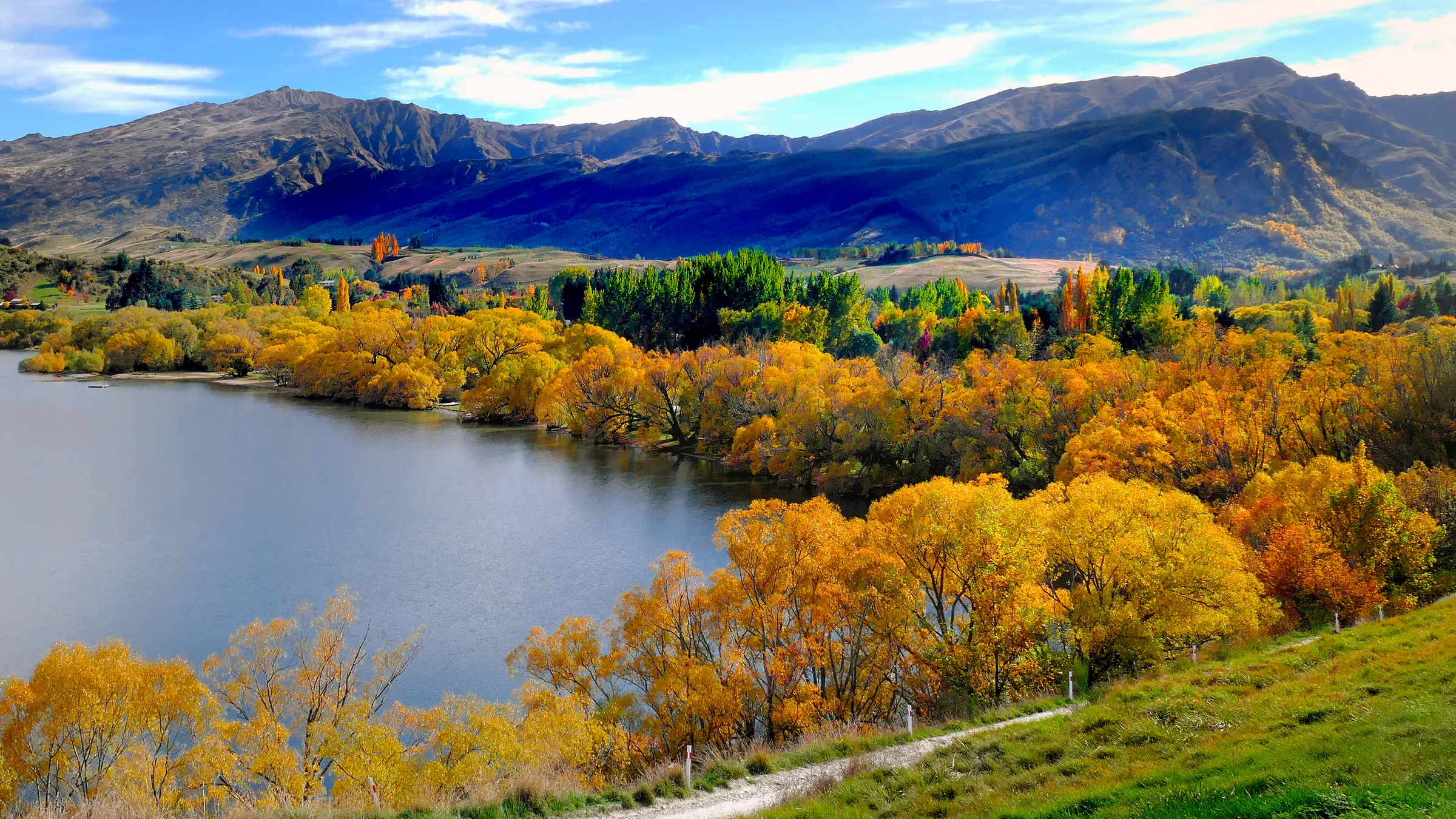
Autumn is our favorite season for touring New Zealand. Weather is often more settled than in spring, the summer crowds have thinned, and the poplars and willows of Central Otago, around Arrowtown and Queenstown, turn gold, generally peaking around April. March and April also coincide with the grape harvest in many wine regions. By May, mornings are crisp and the first snow often dusts the mountains.
Winter: June to August
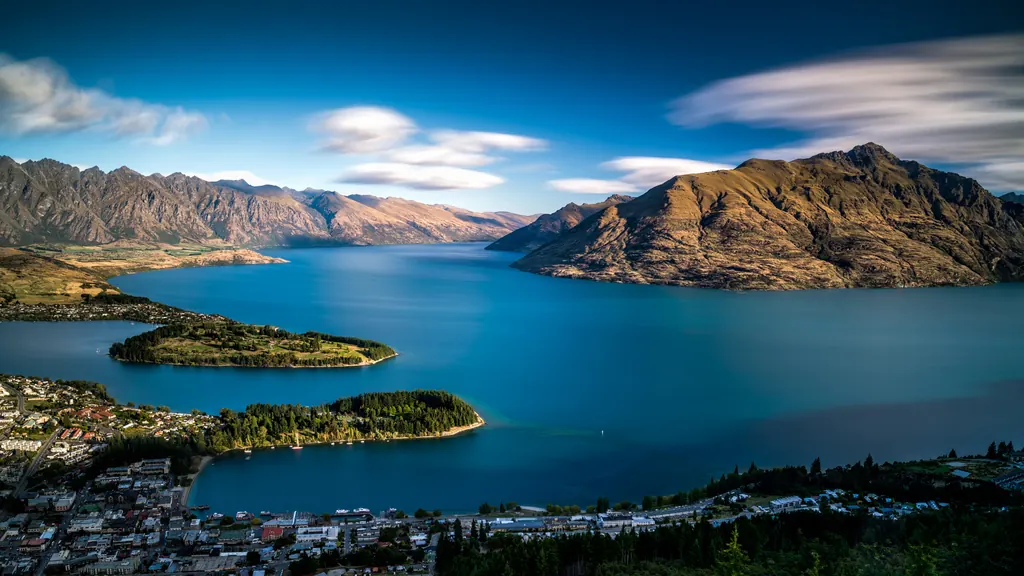
Winter is ski season, with resorts near Queenstown and Wanaka typically operating from around mid-June into early October, depending on snow. Clear, still winter days can be beautiful, with snow-capped peaks reflected in calm lakes. However, days are short, some alpine roads (including the road to Milford Sound) can be affected by snow and avalanche risk, and some multi-day walks are not suitable for most visitors. The North Island is milder and remains good for cities, culture and geothermal areas.
Spring: September to November
Spring is a season of lambs, blossom and waterfalls swollen with snowmelt. Weather is changeable and often windy, especially in September and October. Prices and crowds are generally lower before summer, and by November conditions are often very pleasant. The Department of Conservation's Great Walks season usually begins in late October.
Month-by-month overview
| Month | Season | Good for | Things to know |
|---|---|---|---|
| January | Summer | Beaches, hiking, lakes | Peak domestic holiday period; book early |
| February | Summer | Hiking, touring, wine regions | Warm and often settled; schools are back |
| March | Autumn | Touring, hiking, wine harvest | One of the best all-round months |
| April | Autumn | Autumn color, touring | Easter and school holidays can be busy |
| May | Autumn | Quiet travel, cities | Cooler; first snow in the mountains |
| June | Winter | Skiing (from mid-June), cities | Short days; some alpine roads affected |
| July | Winter | Skiing, North Island | School holidays and busy ski resorts |
| August | Winter | Skiing, clear alpine days | Cold in the south |
| September | Spring | Late-season skiing, lambs | Changeable weather; school holidays late in the month |
| October | Spring | Gardens, waterfalls, quieter travel | Great Walks season typically starts late in the month |
| November | Spring | Touring, hiking | Often an excellent shoulder-season month |
| December | Summer | Long days, outdoor activity | Busy from mid-month; book well ahead |
Regional differences worth knowing
- Northland and the Bay of Islands have a mild, subtropical climate and are pleasant for much of the year.
- Rotorua and the Central Plateau are good year-round for geothermal areas and culture; the Tongariro Alpine Crossing is best attempted in the warmer months with good weather.
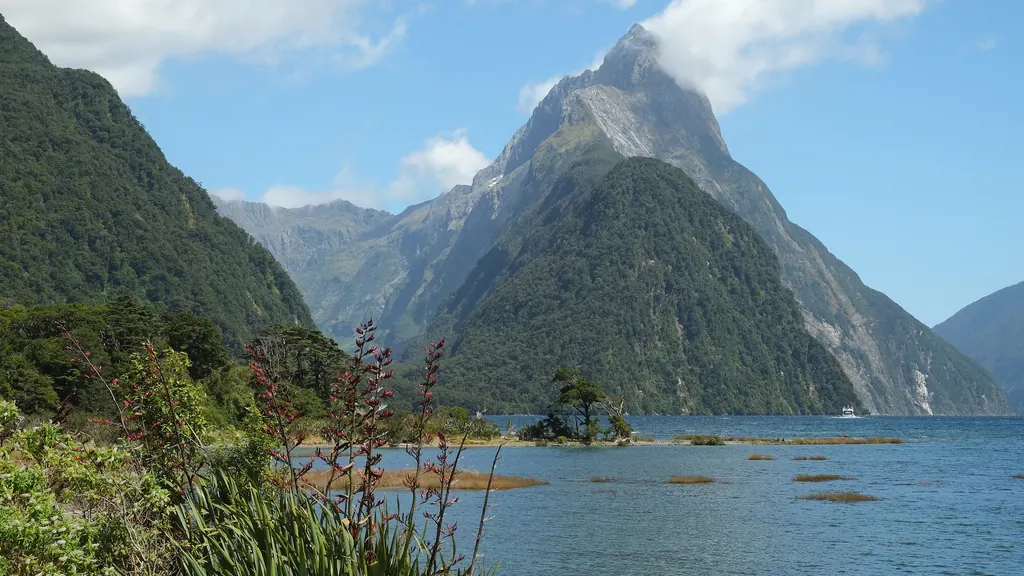
- Fiordland, including Milford Sound, is one of the wettest places in New Zealand. Rain is frequent in every season, but it produces hundreds of temporary waterfalls, so a wet day here can be memorable.
- Central Otago (Queenstown, Wanaka, Arrowtown) has a more continental climate: hot, dry summers and cold winters.
- The West Coast is wetter and greener, and helicopter access to the Franz Josef and Fox glaciers depends heavily on weather.
The best time for specific experiences
- Hiking and Great Walks: November to April, with Great Walk bookings opening many months ahead.
- Skiing: roughly mid-June to early October.
- Autumn color: April around Central Otago.
- Wine regions: February to April for harvest atmosphere; cellar doors operate year-round.
- Stargazing: clear winter nights in the Aoraki Mackenzie International Dark Sky Reserve are long and dark.
- Value and quiet: May and September to November.
Our advice
For a first trip covering both islands, we most often recommend March to April or November. You avoid the peak summer holiday period while still enjoying long days and generally good touring weather. If summer is your only option, plan early and accept that the most popular lodges and activities need booking well ahead. Whatever the season, we build at least one flexible day into Fiordland itineraries.
For help deciding where to go once you know when, read our guide to North Island vs South Island, see our New Zealand destination guide, or explore the 12-day New Zealand journey.
Frequently asked questions
What is the cheapest time to visit New Zealand?
Shoulder and low seasons, generally May to early June and September to October, usually offer better availability and lower rates than the peak summer period, although ski resorts are busy in winter.
Does it rain a lot in New Zealand?
Rain is common, particularly on the West Coast and in Fiordland, and it can arrive in any season. Central Otago is drier. Packing waterproof layers is sensible year-round.
Is New Zealand worth visiting in winter?
Yes, if you enjoy skiing, clear alpine days, cities and geothermal areas. It is less suited to multi-day hikes or long scenic drives in the south, and days are short.
When do the Great Walks open?
The Department of Conservation's main Great Walks season usually runs from late October to late April, with bookings opening many months ahead. Check DOC's website for exact dates each year.